


Edition #91 | THE INVENTION THAT “FLOATED” ON SNOW | Monday, June 29, 2026
The work that changes what is possible often stays hidden for years. A person who commits their hands to solving one real problem can create value for many others even in the deepest of winters.
Let's get into it.
1 Story
The Invention That "Floated" on Snow
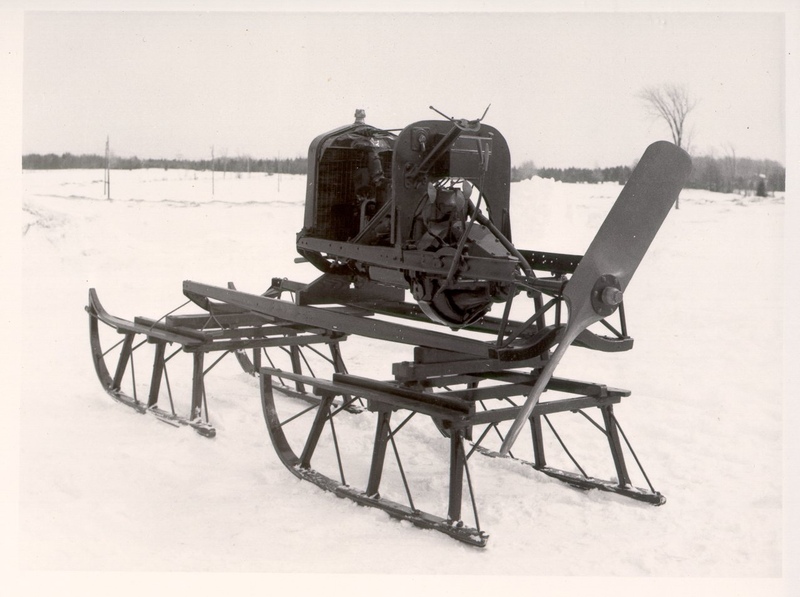
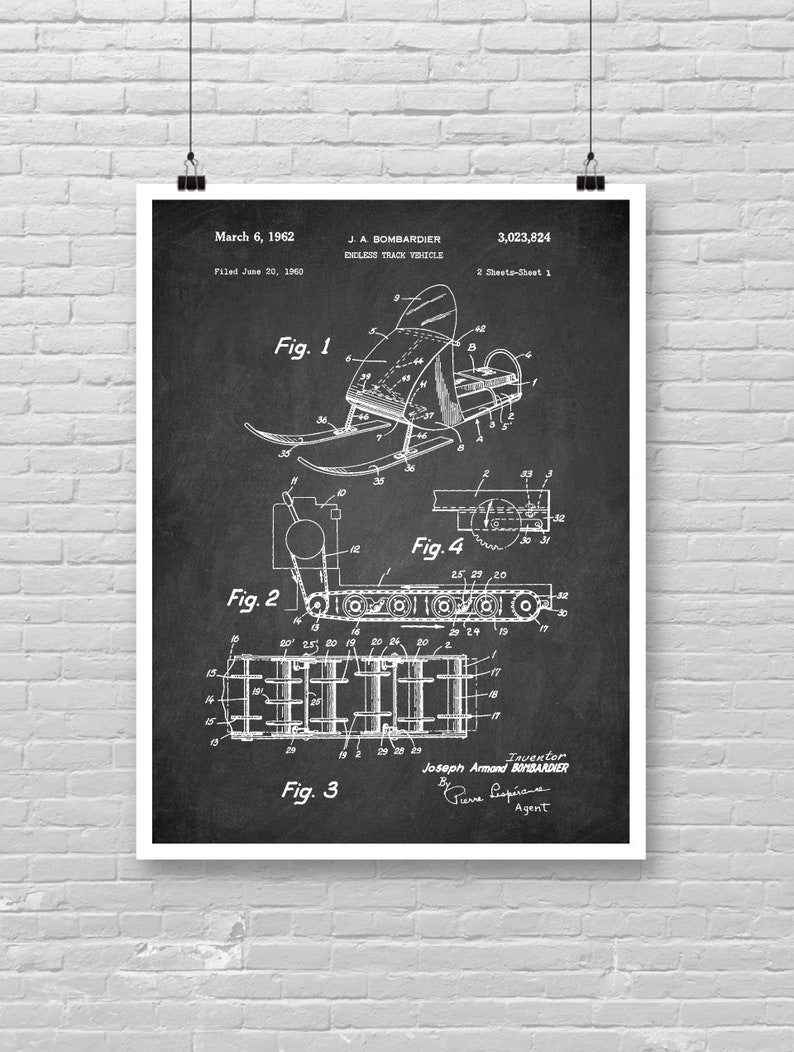
In a small garage in the Eastern Townships of Quebec, a mechanic’s dream officially became Canadian history. On this day in 1937, the Patent Office in Ottawa granted Joseph-Armand Bombardier patent number 367,104 for his revolutionary "Auto-chenille à Neige" (self-propelled snow caterpillar). This was not just paperwork; it was the birth certificate of the modern snowmobile and the lifeline that would soon connect isolated communities across the globe.
For years, heavy winter snowfall had cut off rural villages like Valcourt from the outside world. Roads became impassable trenches, isolating families from doctors, mail, and supplies. Bombardier’s solution was an ingenious sprocket wheel and track drive system invented in 1935. Unlike previous attempts that used rigid metal cleats which cracked in the cold, Bombardier’s design featured a rubber-covered sprocket that pulled a flexible track, allowing the vehicle to distribute its weight and "float" over deep drifts rather than sinking.
With the patent secured on that summer day in 1937, Bombardier faced a pivotal choice: sell the rights to a major automobile manufacturer or build the future himself. The visionary chose the latter.
Coinciding with this legal triumph, the first B7 snowmobiles had already begun rolling out of Bombardier’s expanded factory during the previous winter of 1936–37. The name told the story: B for Bombardier, 7 for the number of passengers it could carry inside its enclosed, heated cabin.
These were not recreational toys; they were essential utility vehicles. Priced at approximately $1,000, the initial buyers were not thrill-seekers but lifelines:
Country Doctors rushing to bedside calls.
Priests administering last rites in remote parishes.
Funeral Directors and Ambulance Drivers navigating blocked roads.
Mail Carriers keeping communication open.
The urgency behind that day’s news was deeply personal for the Joseph-Armand. In January 1934, his two-year-old son, Yvon, died of peritonitis because the family could not reach the hospital through the snowdrifts. That tragedy fueled his relentless experimentation. Then, with patent number 367,104 in hand, Bombardier ensured that no other family in the Eastern Townships would suffer the same isolation or ill-fate.
As L’Auto-Neige Bombardier Limitée began full production following the patent grant, the small town of Valcourt transformed into an industrial hub. What started as a mechanic’s dire project to prevent more families from suffering losses, it became an enterprise, bringing jobs and prosperity to the region. The age of winter isolation was officially over.
1 VERSE
Proverbs 10:4
"Lazy hands make for poverty, but diligent hands bring wealth."
The daily decision to keep working on what matters, for whatever reason is driving us even when no one else sees it, builds the kind of wealth that lasts.
1 VOICE

Ryan Holiday
"The obstacle is the way."
Ryan Holiday has written lots about turning setbacks into fuel. That kind of private effort builds things that outlast the noise around them.
What problem in front of you deserves the kind of steady attention that turns it into something new, something better?