

Edition #90 | THE FIRST GRAND PRIX OF 1906 | Friday, June 26, 2026
Reliability shows its value only when the surface turns rough and the hours run long. The systems built before the start decide who reaches the finish.
Let's get into it.

1 Story

THE FIRST GRAND PRIX OF 1906
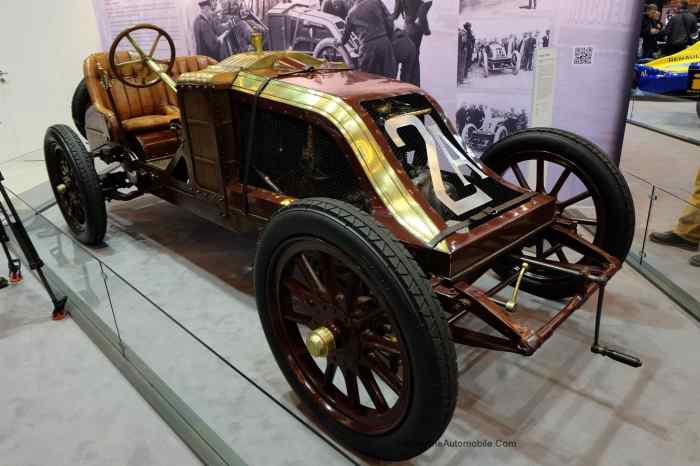
On June 26, 1906, Ferenc Szisz (See-SS)sat behind the wheel of a 90-horsepower Renault AK on the public roads outside Le Mans. Thirty-two cars lined up for a two-day, 1,238-kilometer race organized by the Automobile Club de France. The factory team had prepared the big six-cylinder machine for endurance on tar-sealed but dusty surfaces where each lap would take nearly an hour.
Szisz and the Renault crew had spent months fitting stronger axles, testing tire compounds, and mapping every fuel stop. They carried spare wheels lashed to the sides and extra oil in cans. At each pit the crew used wooden blocks and hand jacks to lift the car, loosened the wire-spoke wheels with hammers and wrenches, then bolted on fresh tires while Szisz stayed in the seat.
Dust coated every surface. The engine ran hot enough to warp metal if oil pressure dropped for even a few minutes. The crew worked in shifts that stretched past midnight on the first day, their hands raw from the wrenches and their lungs filled with grit.
By the middle of the second day the field had thinned. Felice Nazzaro's Fiat stayed close, but several leading cars had already retired with broken springs, seized gearboxes, or tires shredded beyond repair. One driver limped in with a cracked frame after hitting a deep rut at speed. Szisz himself suffered repeated punctures; each stop cost minutes while the crew worked in choking dust that stung their eyes and coated their hands.
Quitting would have been reasonable. The roads were breaking cars and drivers alike, and the remaining distance still stretched for hours. Instead the Renault team kept to their pre-planned sequence: check oil, change tires if the tread was gone, top off fuel, then roll again without wasting motion. Szisz drove with the same measured throttle and gear shifts he had practiced, refusing to push the engine past its tested limits even when Nazzaro closed the gap.
Szisz crossed the line first after more than twelve hours of racing, averaging 63 miles per hour. The Renault finished ahead of the Fiat and ahead of every other entry that had started. The Automobile Club de France declared the event a success and scheduled another the following year. The template for Grand Prix racing was set, and the companies that had proved their cars could survive the distance gained a lasting advantage in the growing industry.
Below is the winning car of the first race.
1 VERSE
Proverbs 27:12
"A prudent man foresees evil and hides himself; The simple pass on and are punished."
Diligent planning creates the margin that survives pressure. When conditions strip away everything else, the process built in advance determines who still stands at the end.
1 VOICE
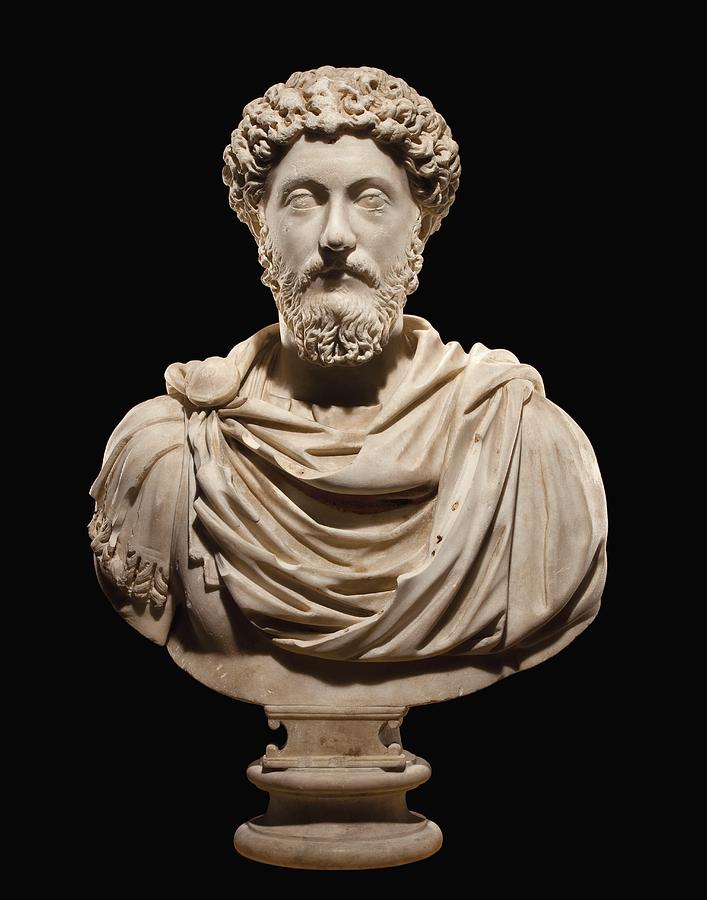
Marcus Aurelius
"The impediment to action advances action. What stands in the way becomes the way."
Marcus Aurelius ruled an empire while writing these reflections on facing obstacles without panic. He understood that consistent preparation turns resistance into progress rather than requiring fresh invention each time trouble appears.
What single process in your work would still hold if every external condition turned against it?