

Edition #88 | THE DAYTON DRY GOODS ACQUISITION | Wednesday, June 24, 2026
First and foremost, Happy Birthday today to my 5 year old daughter Leia. (Star Wars Princess Spelling) You are a beautiful ray of sunshine, love, care, and kindness. I pray you never lose the compassion and curiosity you possess. And I promise to always lead you by example as we work on the areas of life that produce the greatest joys for us and for others.
Let's get into it.
Most people chase growth the moment opportunity appears. The ones who last refuse to multiply anything until the first version runs without heroics.
1 Story
THE DAYTON DRY GOODS ACQUISITION
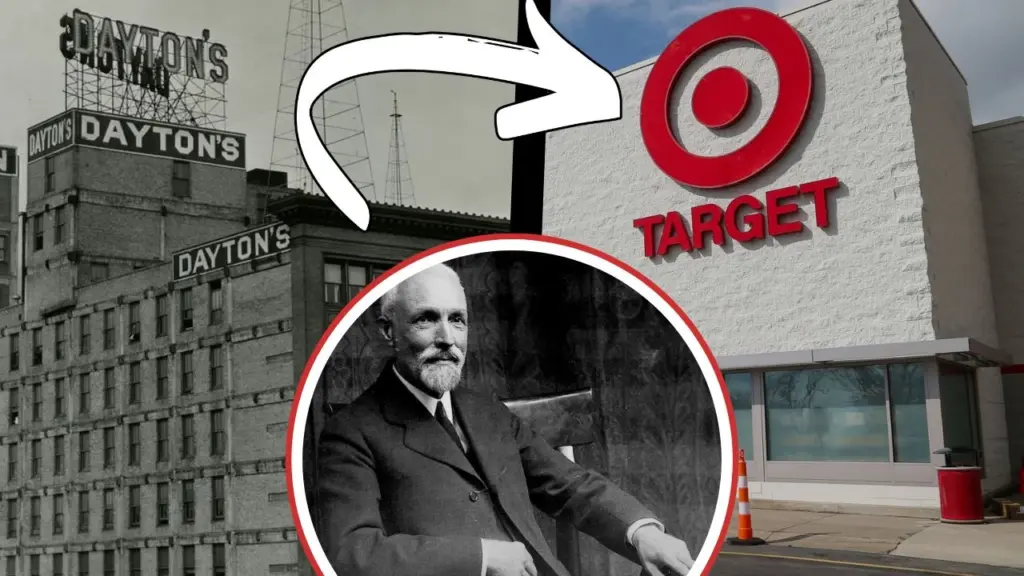
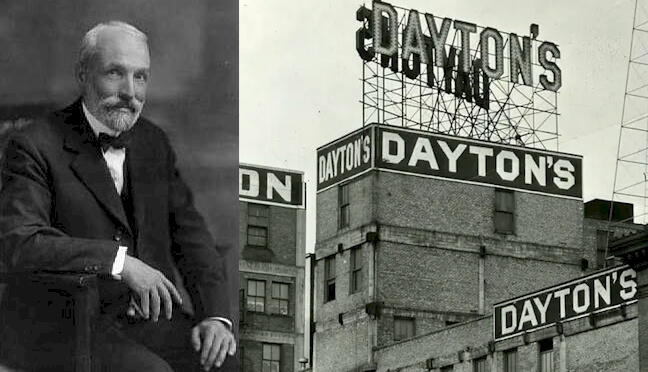
On June 24, 1902, George Draper Dayton stood in the offices of Goodfellow Dry Goods in Minneapolis and signed the papers that made the store his. The previous owner had retired. Dayton, a banker and real-estate man with no retail experience, now owned a single downtown location that had been limping along for years. The stakes were plain: if the store failed under his hand, he would lose both capital and reputation in a city where every merchant watched every other.
Dayton began with the shelves. He walked each aisle at closing time, counting stock by hand and noting which bolts of fabric moved and which gathered dust. He carried a small ledger book and a pencil stub in his coat pocket. He rewrote the employee schedule so the same clerk handled the same counter every day. He posted a simple rule on the back wall, "Every customer complaint must be written down before the register closed." The store stayed open until the last ledger balanced, often past ten at night, with Dayton himself checking the cash against the receipts.
Three months in, a winter slowdown hit harder than expected. Sales dropped enough that the payroll could not be met without dipping into Dayton's own savings. The larger store two blocks away already carried wider selections and offered credit the new owner had not yet extended. Dayton felt the tightness in his shoulders each morning when he unlocked the door and saw fewer customers than the day before. The rational move was to cut losses, sell the fixtures, and return to banking before the red ink grew.
Dayton chose instead to stay inside the building. He cut no staff. He called a meeting in the stockroom and told every clerk the store would not open another location until this one ran without constant fixes. Then he raised base wages and tied a small bonus to accurate inventory counts. The clerks began arriving early to restock before customers entered.
By the end of the first full year the store turned consistent profit. Dayton waited three more years before he opened a second location, using the exact same inventory lists, the same training sheet, and the same bonus structure. That single disciplined store eventually became the foundation for a chain that reached across the country and later launched the Target Corporation retail enterprise in 1962. The pattern he set in those first months shaped how every later store was built and run with Excellence.
1 VERSE
Proverbs 21:5
"The plans of the diligent lead surely to plenty, But those of everyone who is hasty, surely to poverty."
Diligent planning means the work itself is sharpened before any larger move is attempted. Haste skips that sharpening and pays for it in repeated effort later.
1 VOICE

Aaron Ross
"Predictable revenue comes from a repeatable process, not heroic efforts."
Ross built sales systems at Salesforce that scaled because they rewarded consistent execution over individual heroics. The same principle holds when a single location must run cleanly before any copy is attempted.
Where in your work are you still asking for heroics instead of a process anyone trained could run?