

Edition #86 | THE PEPPER BOX LID | Monday, June 22, 2026
Most people keep forcing the same broken process and wonder why the result stays raw. The ones who move forward look at the tool already in their hand and change the angle.
Let's get into it.
1 Story
THE PEPPER BOX LID
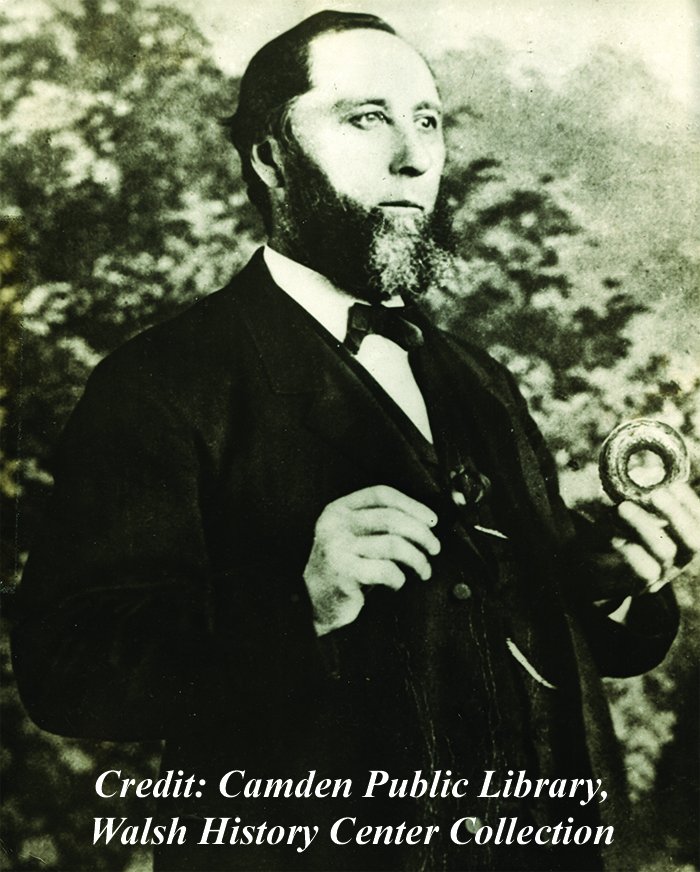
On June 22, 1847, sixteen-year-old Hanson Crockett Gregory stood in the rolling galley of the lime-trading schooner off the New England coast. The ship hauled barrels of lime south and returned with flour, sugar, and lard. The crew fried rounds of sweetened dough twice a day in the kettle of lard. The centers stayed raw and heavy, sitting like lead in a man's stomach after the meal.
The galley pitched with every wave. Grease coated the narrow counter and the deck underfoot. Gregory worked the kettle each watch, dropping the flattened cakes into fat that bubbled at the surface. He timed each batch by the count of waves against the hull. Still the middle stayed soft.
He had tried flipping them sooner. He had tried smaller cakes. Nothing changed the raw center. The men grumbled at the table. One sailor said the cakes sat in his gut like cannon shot and slowed his climb up the rigging. The greasy sinkers left the crew sluggish when the next watch called them on deck.
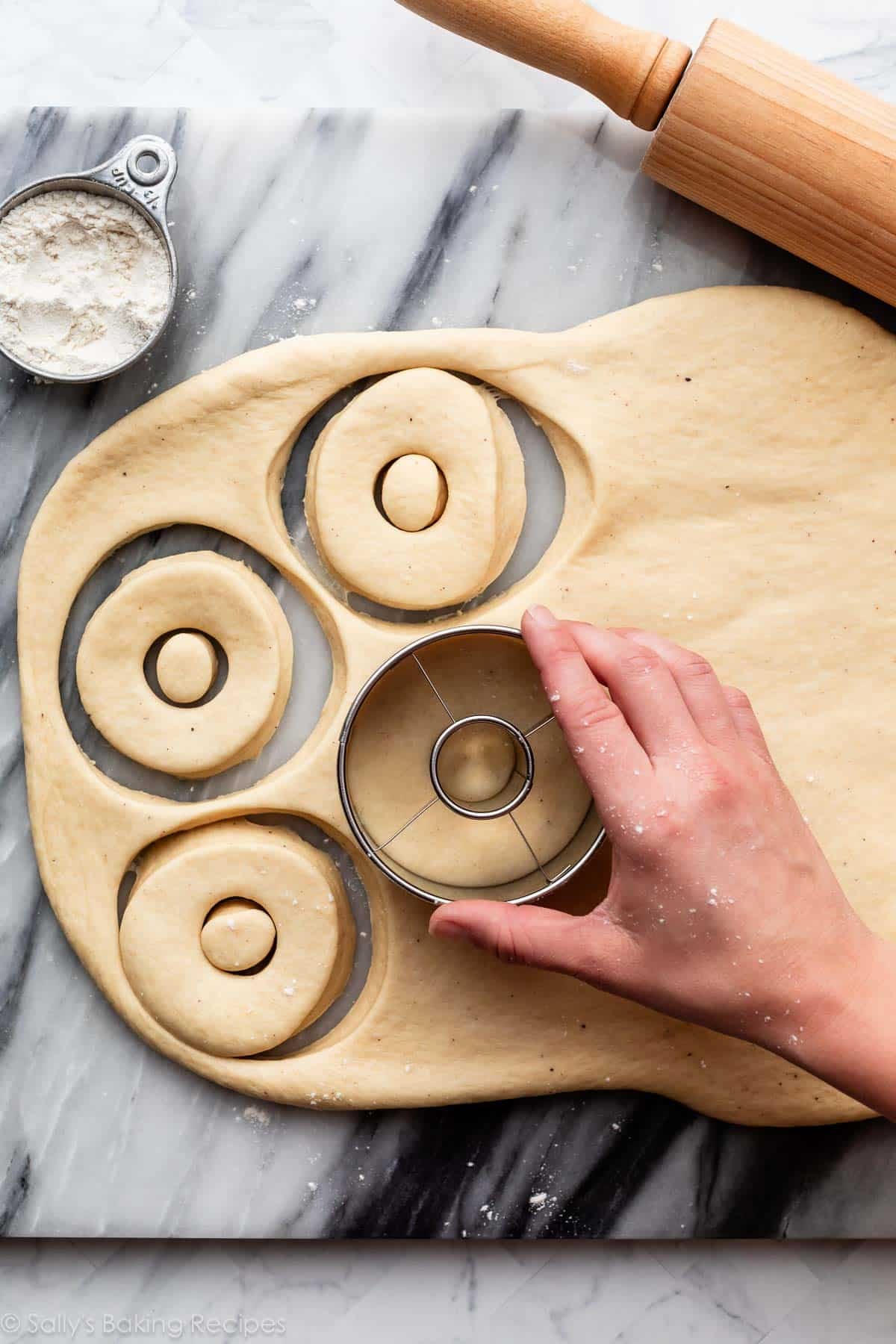
Gregory kept the tin pepper box on the shelf above the stove. Its round lid measured four inches across. The metal felt cool in his palm when he lifted it one morning before dawn. He pressed the lid into a fresh cake and twisted. A clean circle fell out.
He dropped the ring into the lard. The fat rose through the hole. Steam lifted from the center. The dough browned evenly on both sides. He pulled the first ring out with the long fork. It weighed light in his hand. No greasy weight remained.
The cook on the next watch tasted one and set it down without a word. Then he reached for a second. By midday the captain had asked for the same cut on his plate. The men stopped complaining about the heaviness after meals.
Gregory kept the lid in his pocket when the ship docked. His mother asked what he carried from the sea. He showed her the metal disk and the way it cut. She began making the holed cakes in her own kitchen on shore. The method moved from house to house without any printed recipe.
Years later, when Gregory captained his own vessel, he still kept the same lid. The dough cooked through because one sailor had refused to accept the raw center as the only way the work could be done.
1 VERSE
Ecclesiastes 10:10
"If the ax is dull, and one does not sharpen the edge, then he must use more strength; but wisdom brings success."
Wisdom shows up when a person stops pushing harder with the old tool and instead makes one precise change to the edge itself. That single adjustment turns extra effort into clean progress.
1 VOICE

Derek Sivers
"If you think you can't change something, you're probably just not looking at it from the right angle."
Derek Sivers built an entire company on small, practical re-angles that solved problems no one else had bothered to reframe. His point is that the solution often sits inside the thing you already hold, once you turn it slightly. Read his book ‘